-
The Role of Occupational Therapy in Supporting Neurodiverse Individuals in the Workplace
M'Kenna J. Henson
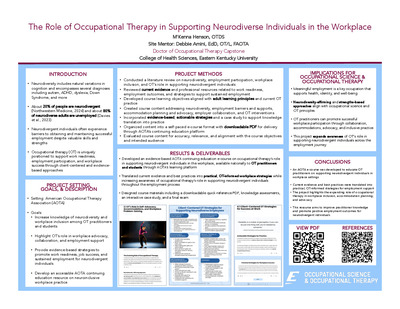
My doctoral capstone was completed in partnership with the American Occupational Therapy Association (AOTA) and focused on the Accreditation Council for Occupational Therapy Education (ACOTE) areas of education and program development. The project involved developing a nationally-accessible asynchronous continuing education e-course, The Role of Occupational Therapy in Supporting Neurodiverse Individuals in the Workplace, to increase occupational therapy (OT) practitioners' and students' knowledge of neurodiversity, workplace inclusion, and evidence-based employment supports.
Current literature highlights significant barriers to employment for neurodivergent individuals. Approximately 20% of people are neurodivergent, yet nearly 80% of neurodiverse adults are unemployed, demonstrating the need for greater workplace inclusion and practitioner education. This project addressed these gaps by translating current evidence into a nationally accessible educational resource.
A comprehensive literature review informed course development, with content focused on neurodiversity, workplace accommodations, OT interventions, interdisciplinary collaboration, workplace advocacy, and strategies to promote work readiness and sustained employment participation. To promote learner engagement and knowledge translation, the course incorporated embedded knowledge checks, an interactive case study, a downloadable quick-reference guide, and a summative final examination. All content underwent review by my site mentor to ensure accuracy and alignment with the learning objectives.
This capstone strengthened my skills in leadership, program development, evidence synthesis, instructional design, and professional collaboration. By creating a sustainable continuing education resource for AOTA, this project advances neurodiversity-affirming, evidence-based occupational therapy practice while promoting improved employment participation, workplace inclusion, and long-term employment success for neurodivergent individuals nationwide.
-
Enhancing Parent and Caregiver Education Through Accessible Therapy Resources in a Pediatric Outpatient Setting
Megan E. Huff
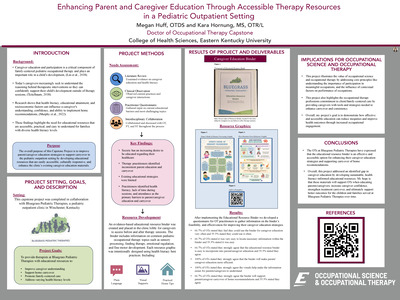
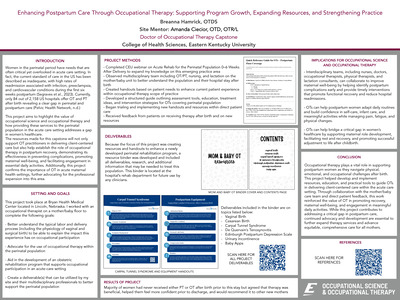
This Capstone and Applied Leadership Experience (ALE) was completed in collaboration with Bluegrass Pediatric Therapies, a pediatric outpatient clinic in Winchester, Kentucky. The project addressed ACOTE focus areas of education and advocacy by improving caregiver education to promote treatment carryover and family engagement. A literature review, needs assessment, clinical observations, and interdisciplinary collaboration identified opportunities to strengthen caregiver education. Evidence highlighted the importance of family-centered education and demonstrated that health literacy, educational attainment, and socioeconomic factors influence caregivers' understanding, confidence, and ability to implement therapy recommendations. These findings emphasized the need for accessible, evidence-based educational resources. The primary objective was to increase caregiver carryover by developing resources that support occupational therapists and enhance parent education. An educational resource binder was created and placed in the clinic lobby for caregivers to access before and after therapy sessions. The binder covers common pediatric occupational therapy topics using plain language, visual supports, and practical home strategies based on health literacy best practices. Project development was guided by practitioner questionnaires, clinical observations, and ongoing collaboration with occupational therapists and the interdisciplinary team. Feedback informed topic selection and ensured the binder addressed the clinic's specific needs. Leadership was demonstrated through identifying a practice need, collaborating with stakeholders, and creating a sustainable resource. Advocacy was reflected by reducing barriers to caregiver education and promoting equitable access to understandable health information. This Capstone reinforces occupational therapy's commitment to family-centered, occupation-based practice by supporting caregiver understanding, improving consistency between therapy and home routines, and enhancing long-term outcomes for children and their families.
-
OT at Work: Engineering Better Bodies for Better Manufacturing
Gracie Johnson
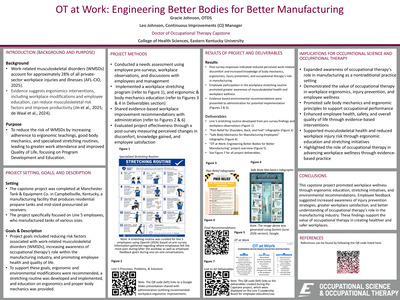
This doctoral capstone project was completed at Manchester Tank, a manufacturing facility, and focused on the ACOTE areas of Education and Program Development. The Applied Leadership Experience (ALE) aimed to reduce workplace ergonomic risks, promote musculoskeletal injury prevention, and increase awareness of occupational therapy's role in manufacturing. A needs assessment including an employee pre-survey, workplace observations, employee feedback, and a review of current literature identified opportunities to improve ergonomic practices and employee knowledge related to work-related musculoskeletal disorder (WMSD) prevention.
In response, ergonomic evaluations were conducted within the facility, and evidence-based recommendations were developed to improve workstations and job tasks. Educational resources addressing ergonomics, body mechanics, workplace stretching, injury prevention, and occupational therapy were implemented. Key deliverables included a workplace stretching program, ergonomic education materials, and recommendations to support sustainable workplace health initiatives. Project outcomes were evaluated through pre- and post-surveys, direct observation, and employee and leadership feedback.
Results demonstrated increased employee awareness of ergonomic principles, body mechanics, and injury prevention strategies. Participants reported that the educational resources and stretching program were practical and beneficial to their daily work tasks, while leadership expressed support for continued ergonomic initiatives. This capstone demonstrated the value of occupational therapy in promoting workplace health, injury prevention, and occupational performance within an industrial setting. The project established sustainable resources to support employee wellness and reinforced occupational therapy's role in advancing population health through ergonomic intervention and workplace health promotion.
-
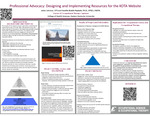
Professional Advocacy: Designing and Implementing Resources for the KOTA Website
Jaden Johnson
This doctoral capstone project and Applied Leadership Experience (ALE) focused on advocacy, leadership, and virtual program development within the Kentucky Occupational Therapy Association (KOTA). The project addressed a gap, bridging conversations surrounding advocacy to active engagement in professional advocacy through an 'Advocacy' webpage for the KOTA website. The goal of this capstone project is to make advocacy resources more accessible and increase participation in professional organizations for the benefit and unification of occupational therapy and occupational therapy assistant students and practitioners.
Virginia Stoffel's Presidential Address, Engagement, Exploration, and Empowerment (2015), served as the primary framework guiding this project. The framework emphasizes engagement as participation in professional efforts, exploration as seeking opportunities to become more informed and involved, and empowerment as taking action to improve the profession. These concepts supported the development of a resource designed to increase advocacy awareness, accessibility, and participation among occupational therapy students and practitioners.
A literature review identified barriers to professional advocacy participation which included; limited time, resources, and knowledge of legislative processes. In attempting to overcome these barriers, the 'Advocacy' section provides advocacy and professional education, legislative resources, opportunities for grassroots involvement, and connections to state and national advocacy initiatives. Additional deliverables included promotional materials, social media content, newsletter announcements, educational resources, and a future conference presentation to support dissemination and long-term sustainability.
Project effectiveness was evaluated through board member feedback in addition to planned outcome measures such as advocacy page traffic, engagement, and participation in advocacy-related activities. Thorough communication with KOTA leadership, advocacy representatives, neighboring state association members, and faculty mentors guided project development and revisions as needed.
Throughout the capstone experience, this author demonstrated leadership through intentional program development, inter- and intra-professional collaboration, addressing systems-level advocacy approaches, and engaging in professional communication to increase state networking while learning new legislative concepts. This project advances the profession of occupational therapy by encouraging members in the profession to move from discussing advocacy to actively engaging in it, regardless of education and experience level. The advocacy page provides KOTA with a sustainable resource that supports member engagement, increases awareness of current issues, and strengthens advocacy efforts across Kentucky.
-
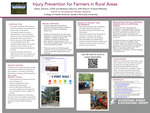
Injury Prevention for Farmers in Rural Areas
Kelsie Johnson
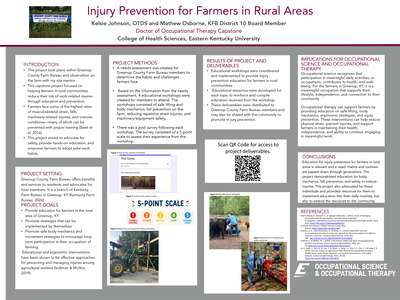
This capstone was completed with Greenup County Farm Bureau in Greenup, Kentucky. Greenup County Farm Bureau advocates for and supports local farmers through education and community outreach. The purpose of this capstone was to reduce the risk of work-related injuries among farmers by providing evidence-based injury prevention education, promoting safer work practices, and increasing awareness of occupational therapy's role in agricultural health. The goals of the Capstone and Applied Leadership Experience were to develop and implement educational workshops, create sustainable educational resources, and collaborate with the practice site to improve community health and safety. A needs assessment, literature review, discussions, and board meeting observations with Greenup County Farm Bureau identified a need for increased education regarding musculoskeletal injuries, repetitive strain, falls, body mechanics, and machinery safety among farmers. Agriculture is one of the most hazardous occupations, with many farmers experiencing preventable injuries that affect their health, productivity, and ability to continue farming. Additionally, rural communities often have limited access to occupational therapy services and injury prevention programs. This project addressed the site's need for structured educational programming and resources that could continue benefiting Farm Bureau members beyond the completion of the capstone. Four educational workshops were developed and presented on safe lifting and body mechanics, fall prevention, reducing repetitive strain, and machinery and equipment safety. Educational flyers were developed for each topic, allowing participants to reference the information after the workshops. These flyers, presentations, and evaluation tools were provided to Greenup County Farm Bureau as sustainable resources for future community outreach. Overall, this capstone successfully met the needs identified through the literature review and needs assessment by providing accessible injury prevention education and sustainable resources for Greenup County Farm Bureau.
-
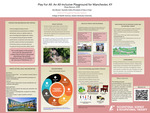
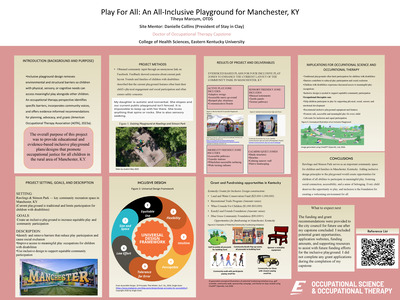
Play for All: An All-Inclusive Playground for Manchester, KY
Tiheya Marcum
My Doctoral Capstone and Applied Leadership Experience (ALE) focused on designing an evidence-based, all-inclusive playground for Rawlings and Stinson Park in Manchester, Kentucky. Guided by the ACOTE focus areas of advocacy, education, and program development, the project aimed to improve equitable access to meaningful play for children of all abilities while promoting occupational justice within a rural community. A comprehensive needs assessment and SWOT analysis identified strengths, barriers, and opportunities related to inclusive recreation. Findings highlighted community support for park improvements, occupational therapy's emphasis on occupational justice, limited knowledge of inclusive playground design, and financial and infrastructure challenges. These results emphasized the importance of education, advocacy, and evidence-based planning to support future development. To inform the project, I conducted an extensive literature review, administered an anonymous community feedback questionnaire, and collaborated with community stakeholders. Survey findings identified barriers to play participation, safety concerns, and limited opportunities for social inclusion among children with disabilities while demonstrating overwhelming community support for an inclusive playground. Using this evidence, I developed a comprehensive playground design featuring active, sensory, quiet, and accessible play zones with equipment selected to support physical, sensory, cognitive, and social participation. I also created advocacy materials, identified grant and funding opportunities, and presented project recommendations to community stakeholders. This capstone strengthened my leadership skills through project management, collaboration, professional communication, and advocacy. By providing an evidence-based framework for future playground development, the project demonstrates occupational therapy's vital role in community design, health promotion, and creating inclusive environments that enable every child to participate in meaningful play.
-
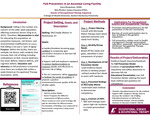
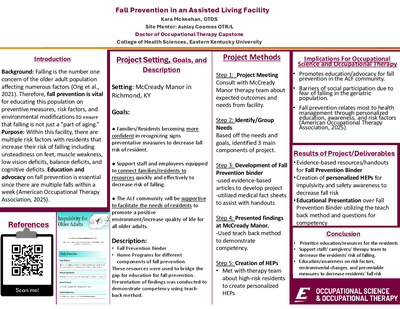
Fall Prevention In an ALF
Kara D. Mckeehan
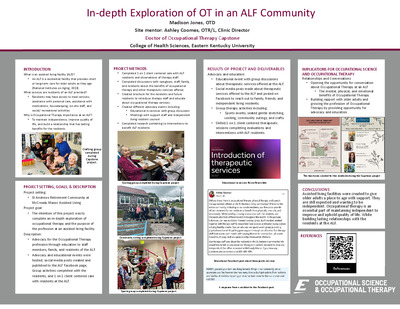
My capstone project is an educational program for an assisted living facility (McCready Manor) in Richmond, Kentucky. My primary ACOTE focus area is education about fall prevention utilizing a fall prevention binder and personalized HEPs. Falling is the number one concern of the older adult population that not only affects physical factors but mental, social, and psychological factors hindering the individuals’ overall independence. Therefore, fall prevention education is vital. Within this facility, many residents have risk factors that increase their risk of falling, including unsteadiness on feet, muscle weakness, low vision, and balance deficits. Since there is very little education about fall prevention, using environmental modifications, preventative measures, and risk factors, can educate this facility on ways to decrease falls since there are multiple falls within a week. With collaboration of the therapy team, I composed a fall prevention resource binder, an educational presentation on fall prevention, and personalized HEPs for residents that are at a high risk of falling. While presenting the fall prevention binder, many residents showed competency and understanding by sharing their own methods and asking questions. My project used education and advocacy for fall prevention by bringing awareness to social participation barriers due to fear of falling, and increased advocacy to health management through personalized education, awareness and risk factors for residents (American Occupational Therapy Association, 2025).
I showcased my leadership skills in occupational therapy by bringing awareness and education to at-risk residents and collaboration with the therapy team to develop HEPs for residents. By increasing the ALF facility competence, fall prevention became a priority to the ALE site. Fall prevention education can show how Occupational Therapy/Occupational Science can maximize residents’ independence and increase their quality of life in terms of physical effects, mental effects, and physiological effects.
-
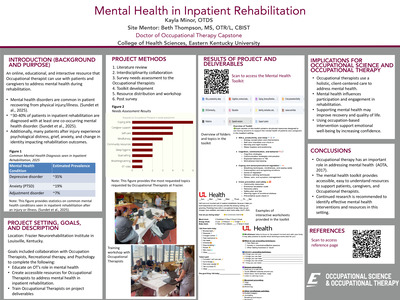
Mental Health in Inpatient Rehabilitation
Kayla M. Minor
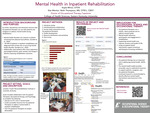
This doctoral capstone project was completed at Frazier Neurorehabilitation Institute in Louisville, Kentucky, to address mental health in the inpatient rehabilitation setting. My primary ACOTE focus area was program and project development, with additional emphasis on education and advocacy related to mental health awareness. The purpose of this project was to create an online mental health toolkit that provides occupational therapists with resources to address mental health concerns with patients and caregivers during sessions. The online mental health toolkit consists of 11 main topics containing approximately eight interactive and educational pages in each folder to support therapeutic intervention. The literature review and needs assessment identified a lack of mental health resources addressing mental health in this setting, as physical health is often prioritized. The goal was to provide accessible, evidence-based, and user-friendly resource that support occupational therapists in their role of addressing a patient’s overall well-being.
Overall, this project provided Frazier Neurorehabilitation Institute with an evidence-based mental health resource that occupational therapists can use to support their patients and caregivers. This project increased awareness of mental health in inpatient rehabilitation. The literature and needs review indicated a need for accessible materials to address mental health in this setting. The mental health toolkit addresses these needs by providing interactive worksheets to increase patient participation, recovery, and quality of life. This project advanced occupational therapy by advocating for and addressing the importance of mental health awareness to improve recovery and quality of life.
-
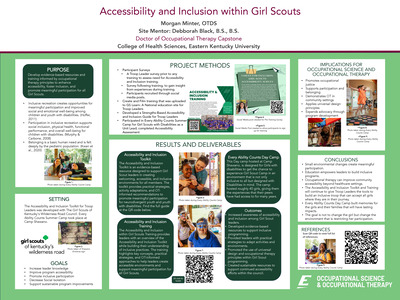
Accessibility and Inclusion within Girl Scouts
Morgan N. Minter
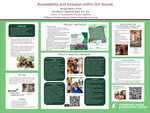
My 14-week doctoral capstone and Applied Leadership Experience (ALE) was completed with the Girl Scouts of Kentucky’s Wilderness Road Council. Focusing on Program Development and Advocacy, the project aimed to increase accessibility and inclusion through occupational therapy-informed resources and leader education. A literature review and needs assessment identified a need for practical accessibility resources within Girl Scout programming. Drawing on my experience as both a former Girl Scout and occupational therapy student, I recognized opportunities to better support neurodivergent youth and youth with disabilities through evidence-based, inclusive practices. Using evidence review, program observation, and collaboration, I completed an accessibility assessment of Every Ability Counts Girl Scout Camp. Findings informed the development of an Accessibility and Inclusion Toolkit, leader training, activity adaptations, and inclusive programming recommendations. The resources were refined through participant and leadership feedback to ensure practicality and sustainability. This capstone strengthened my skills in advocacy, collaboration, leadership, education, and program development. It reinforced my role as an occupational therapy advocate while demonstrating the importance of occupational justice and meaningful participation in community settings. This project highlights occupational therapy's expanding role in community-based practice through advocacy, consultation, and education. By applying OT principles to Girl Scout programming, I developed sustainable resources that reduce participation barriers and promote belonging, accessibility, and inclusion for future Girl Scouts.
-
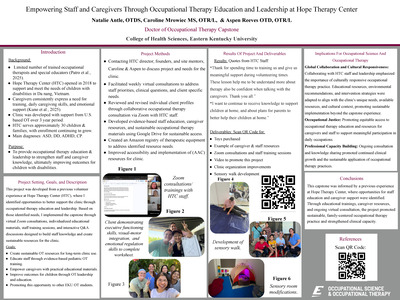
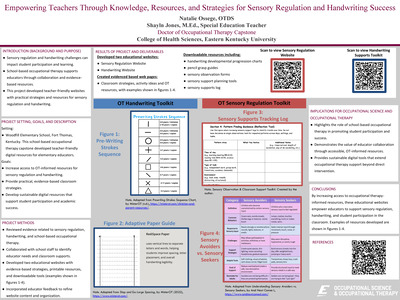
Empowering Teachers Through Knowledge, Resources, and Strategies for Sensory Regulation and Handwriting Success
Natalie A. Ossege
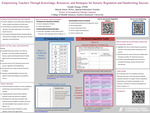
My doctoral capstone project was completed at Woodfill Elementary School within Fort Thomas Independent Schools under the ACOTE focus areas of education and program development. The purpose was to develop educational resources that increased elementary educators' understanding of occupational therapy concepts related to handwriting development and sensory regulation while supporting student participation, engagement, and academic success.
A needs assessment identified teachers' desire for greater knowledge of occupational therapy services and practical classroom strategies for handwriting and sensory regulation. Limited access to occupational therapy consultation, due to one occupational therapist serving the entire district, further emphasized the need for sustainable educator resources. A review of the literature supported the importance of teacher education, interdisciplinary collaboration, and early intervention.
To address these needs, I developed two educational websites: a Handwriting Support Toolkit and a Sensory Regulation Toolkit for elementary educators. These websites include evidence-based information, classroom strategies, developmental guidelines, printable resources, accommodations, observation tools, and additional supports. Project deliverables included handwriting developmental progression charts (Figure 1), handwriting and classroom support resources (Figure 2), sensory regulation resources and classroom strategies (Figure 3), and printable sensory observation and tracking tools (Figure 4). The resources were evaluated through ongoing collaboration with school staff, mentor feedback, and review for relevance and usability.
This capstone promoted occupational therapy practice by increasing educator access to occupational therapy knowledge and strengthening collaboration between teachers and occupational therapy practitioners. The completed websites provide sustainable, evidence-based resources that support handwriting development, sensory regulation, classroom participation, and long-term student success across the district.
-
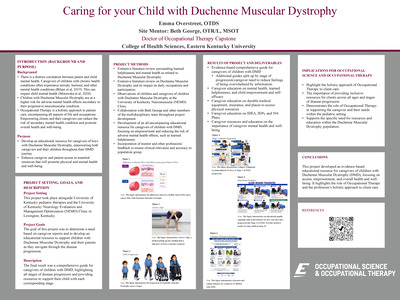
Caring For Your Child with Duchenne Muscular Dystrophy
Emma H. Overstreet
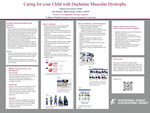
This capstone project took place in collaboration with UK Pediatric Therapies and UK NEMO Clinic in Lexington, KY. This project focused on the ACOTE areas of Program Development, Education, and Advocacy, with the goal of determining a need for caregivers and children with Duchenne Muscular Dystrophy (DMD), and to develop a comprehensive educational resource to fill the gap and meet this need. DMD is a progressive neuromuscular disease that impacts motor function in boys. As the disease progresses, motor function becomes increasingly impacted, resulting in decreased functional independence. A needs assessment, literature review, observation of evaluations and doctors appointments, discussions with other members of the interdisciplinary team, and caregiver questionnaires identified caregiver burden, anxiety and fear over their child's health condition, and a risk for child adverse mental health effects and learned helplessness secondary to DMD. Based on these findings, a comprehensive and holistic educational resource for caregivers of children with DMD was developed. The deliverable for this project includes a comprehensive resource, as well as smaller resources, divided up by stage of disease progression and specific domains of occupation. Project effectiveness was evaluated through collaboration and discussion with my project mentor, as well as other members of the DMD interdisciplinary team at UK. Based on recommendations, edits and updates were made to the resource. Throughout this project, I strengthened my leadership through communication with clients, caregivers, and members of the interdisciplinary team. The role of OT was highlighted by providing a comprehensive educational guide through the holistic lens of occupational therapy, focusing on providing client and caregiver resources across all facets of life. This resource advanced OT by reinforcing its role and its unique perspective to client care. Providing comprehensive and inclusive resources for lifelong and/or progressive health conditions should be considered and implemented into future practice.
-
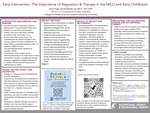
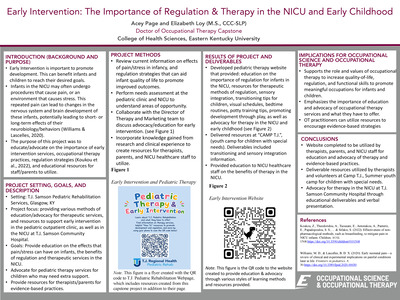
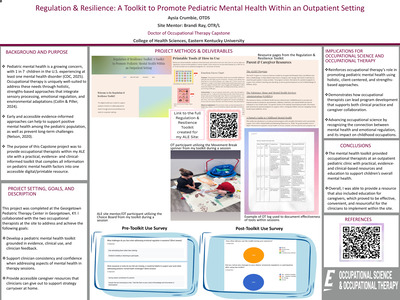
Early Intervention: The Importance of Regulation & Therapy in the NICU and Early Childhood
Acey Page
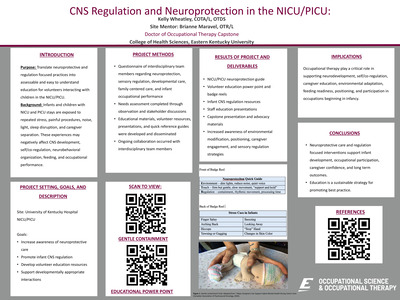
This doctoral capstone project was completed in collaboration with T.J. Samson Pediatric Rehabilitation Services in Glasgow, Kentucky, with a focus on the ACOTE areas of education and advocacy. The purpose was to promote the importance of early intervention through the development of a website for therapists, healthcare providers, and caregivers. The website serves as a resource to support evidence-based pediatric therapy practices in the outpatient clinic and the NICU at T.J. Samson Community Hospital. Key topics include the effects of pain and stress in infancy, regulation, occupational therapy-based strategies, and advocacy for pediatric therapy services. A literature review highlighted that repeated pain experienced by infants, particularly in the NICU, can negatively affect nervous system and brain development. Early intervention can be beneficial for infants at risk. A needs assessment revealed a desire among rehabilitation staff for therapy advocacy within the NICU and for accessible educational resources. The NICU at this site was a recent development. Therapy involvement had been limited, providing an opportunity for advocacy. Project outcomes were evaluated through evidence-based implementation and staff feedback. Following advocacy efforts, therapy referrals for NICU infants increased, and several educational resources developed were incorporated onto the site’s official website by the marketing team. Leadership was demonstrated through effective communication and collaboration while reinforcing the value of occupational therapy in promoting regulation, development, and meaningful occupations for infants and children. Overall, the project successfully addressed identified needs through education, advocacy, and evidence-based resources.
-
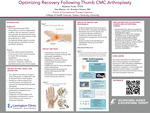
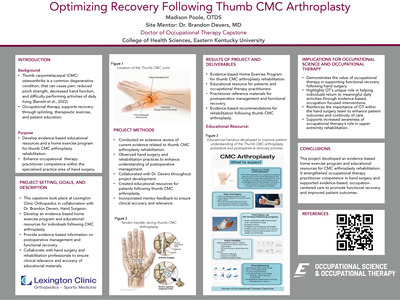
Optimizing Recovery Following Thumb CMC Arthroplasty
Madison E. Poole
This capstone project was completed at Lexington Clinic Orthopedics Hand Surgery and focused on developing evidence-based educational resources to support occupational therapy practice in hand surgery rehabilitation. The primary project involved creating a comprehensive Home Exercise Program (HEP) and patient education handout for individuals following Thumb Carpometacarpal (CMC) Arthroplasty, along with practitioner-focused educational materials to enhance consistency in postoperative care and patient education. The project was developed through collaboration with an orthopedic hand surgeon and was guided by current literature on hand therapy, splinting, edema management, sensory re-education, and functional recovery. Resources were designed to improve patient understanding of the rehabilitation process, promote adherence to home programs, and support occupational therapists in delivering evidence-based interventions. This capstone highlights the unique role of occupational therapy in restoring hand function and facilitating participation in meaningful daily activities following surgery. By providing accessible, evidence-based resources, the project aims to strengthen interdisciplinary collaboration, enhance patient outcomes, and support best practices in hand surgery rehabilitation.
-
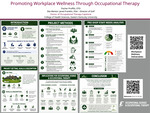
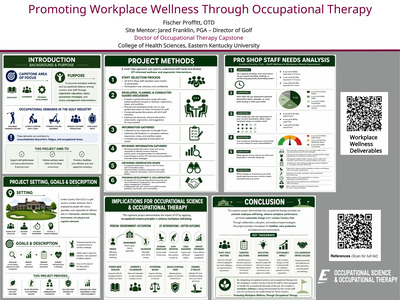
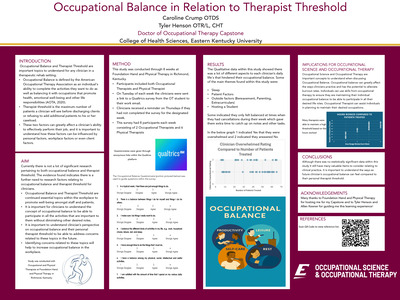
Promoting Workplace Wellness Through Occupational Therapy
Fischer R. Proffitt
This doctoral capstone project was completed at London Country Club in London, Kentucky, and focused on the ACOTE areas of Education, Leadership, and Program Development. The purpose was to promote workplace wellness and occupational balance among Pro Shop staff through ergonomic education, injury-prevention strategies, stress-management interventions, and workflow improvements.
A needs assessment was conducted through private staff interviews, a workplace wellness questionnaire, direct observation, and a review of literature related to occupational therapy, ergonomics, and workplace wellness. Findings revealed prolonged standing, repetitive lifting, physical discomfort, moderate-to-high workplace stress, and opportunities to improve ergonomics, workflow efficiency, and employee wellness supports. These findings guided the development of site-specific occupational therapy interventions.
Following data analysis, educational resources were developed, including ergonomic recommendations, injury-prevention strategies, stress-management techniques, workflow improvements, staff training materials, and a sustainable wellness implementation plan. Effectiveness was evaluated through staff feedback, collaboration with the site mentor, and comparison of identified needs with completed interventions.
Throughout the experience, leadership skills were strengthened through independent project coordination, staff collaboration, professional communication, and translating evidence into practical workplace solutions. Using a Person–Environment–Occupation perspective, the project demonstrated how occupational therapy can address the interaction between employee needs, workplace demands, and the environment. Overall, the project highlights the expanding role of occupational therapy in workplace wellness and demonstrates the profession's ability to promote occupational performance, reduce injury risk, support occupational balance, and create meaningful change beyond traditional healthcare settings.
-
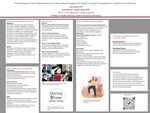
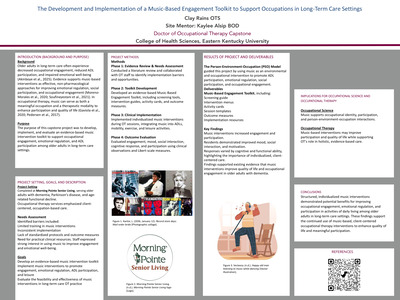
The Development and Implementation of a Music-Based Engagement Toolkit to Support Occupations in Long-Term Care Settings
Clay Rains
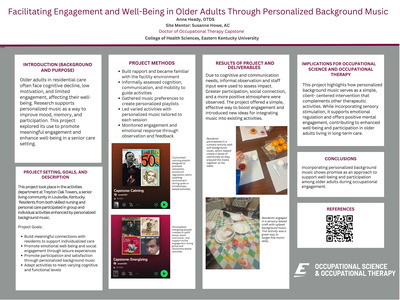
This doctoral capstone project, completed as part of the Occupational Therapy Doctorate program, focused on developing, implementing, and evaluating an evidence-based Music-Based Engagement Toolkit to support occupational therapy practitioners working with older adults in long-term care. The Applied Leadership Experience (ALE) was completed at Morning Pointe Senior Living, serving residents with dementia, Parkinson's disease, mild cognitive impairment, and age-related functional decline. The project emphasized the ACOTE focus areas of clinical practice, program development, leadership, and evidence-based practice.
The primary objectives were to create an evidence-based toolkit, implement individualized music interventions during occupational therapy sessions, and evaluate their impact on occupational engagement, emotional regulation, participation in daily activities, social interaction, and meaningful leisure.
A needs assessment and literature review identified inconsistent use of music interventions despite strong evidence supporting their effectiveness for improving engagement, cognition, mood, and quality of life. Guided by the Person-Environment-Occupation (PEO) Model, the project included four phases: needs assessment, toolkit development, implementation, and evaluation. The toolkit contained resident screening guides, intervention cards, session templates, outcome measures, and implementation resources organized by cognitive and functional ability.
The toolkit was incorporated into occupational therapy sessions involving activities of daily living, mobility, strengthening, balance, leisure, and social participation. Observational measures and Likert-scale ratings assessed resident engagement, mood, and participation. Findings demonstrated improved engagement, emotional expression, motivation, and social interaction, while reinforcing the importance of individualized, client-centered interventions. This capstone provides a sustainable, evidence-based resource that supports occupational therapy practice and promotes meaningful occupational engagement and quality of life for older adults.
-
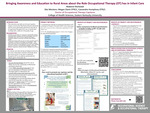
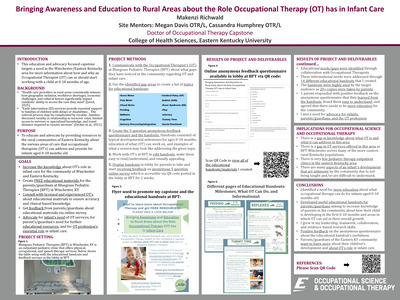
Bringing Awareness and Education to Rural Areas about the Role Occupational Therapy (OT) has in Infant Care
Makenzi Richwald
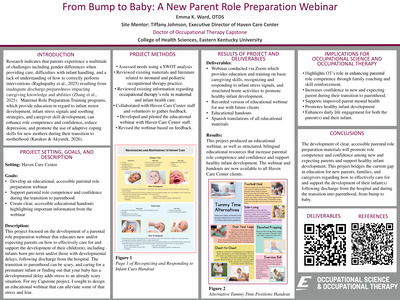
This capstone project focused on education and advocacy. The aim of my capstone project was to provide education to parents of eastern Kentucky (KY) about what Occupational Therapy (OT) can address with infants aged 0-18 months. I saw a gap in knowledge in the eastern KY community about what OT could do for infants and wanted to address this. Through my research, consultation with my mentors, and collaboration with the occupational therapists at my site (BPT) I discerned 14 areas of development and/or common reasons of needed referral for OT services by this age group. These educational materials aimed to not only educate parents about OT’s role in infant care, but to also advocate for children’s need for OT, to encourage parents/guardians to advocate for their child, and to advocate for the OT profession. An anonymous 5 question google forms questionnaire was also created to give insight into the usefulness of the handouts. 1 response was received with all positive feedback from a parent that had taken 6 of the different handouts. Many other parents took handouts as well in the course of the 2 weeks they were available at the site.
-
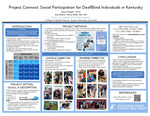
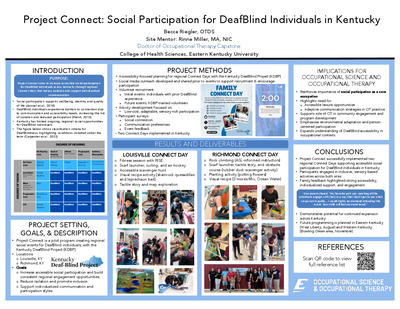
Project Connect: Social Participation for DeafBlind Individuals in Kentucky
Rebecca Jade Riegler
For my capstone project, I collaborated with Kentucky DeafBlind Project (KDBP) to develop Project Connect, a pilot initiative aimed at encouraging social participation by creating regional social opportunities for DeafBind individuals across Kentucky. As my primary ACOTE focus area was program development, the goal was to create an accessible, sustainable model for ongoing social engagement and reduce isolation through structured community-based events.
A literature review and needs assessment identified a need for accessible, ongoing social opportunities for DeafBlind individuals across Kentucky, supporting the development of Project Connect.
Project Connect was designed as a replicable framework for regional Connect Day events. The program included structured activity ideas, communication supports, volunteer coordination resources, and recommendations for accessible event planning. The framework was intended to guide KDBP in implementing consistent and adaptable social opportunities across different regions of the state.
Post-Connect Day surveys were distributed to families and participants to evaluate engagement and gather feedback on the experience. One parent shared, “My favorite part was watching all the volunteers engage with [her] in a way that I don’t get to see when we go out in public… Your child will feel seen and love.” This feedback helped inform future planning and reinforced the value of accessible social programming.
Overall, Project Connect provided KDBP with a practical, structured model to support ongoing Connect Days across Kentucky. The program addresses identified barriers to participation and supports increased access to meaningful, occupation-based social engagement opportunities for DeafBlind individuals.
-
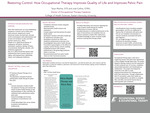
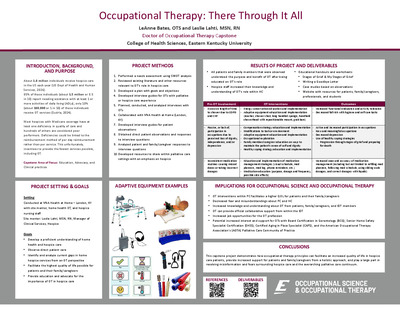
Restoring Control: How Occupational Therapy Improves Quality of Life and Pelvic Pain
Taryn Ritchie
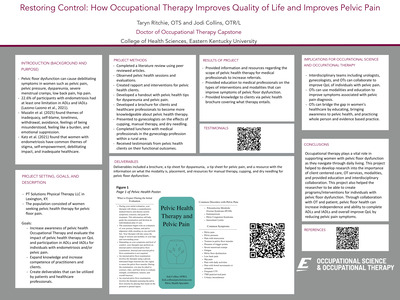
This capstone project was completed at PT Solutions Physical Therapy LLC in Lexington, KY. This project focused on women seeking and receiving pelvic health therapy for pelvic pain. The goals the capstone were to increase awareness of pelvic health Occupational Therapy and evaluate the impact of therapy on QoL and participation in ADLs and IADLs. The capstone also aimed to expand knowledge and increase competence of medical professionals and clients regarding pelvic health therapy. Lastly, the capstone intended to create deliverables that can be utilized for education purposes. Pelvic floor dysfunction can cause debilitating symptoms such as pelvic pain, dyspareunia, fatigue, painful menstruation, and urinary incontinence which impacts participation in ADLs and IADLs. Based on my needs analysis, it was evident that pelvic health therapy is still an emerging practice for Occupational Therapy. There is a lack of research and low number of therapists. This capstone advanced occupational therapy by providing knowledge and resources to both clients and medical professionals that will increase competence and referrals to Occupational Therapy. For this capstone project, the researcher presented to gynecologists in Somerset, KY at a luncheon about the effects of pelvic floor therapy on pelvic pain symptoms. This capstone provided knowledge to other medical professionals in order to increase referrals to pelvic health therapy and allow professionals to prepare clients for the evaluation session. By creating my deliverables, I helped to bridge the gap between women's health and Occupational Therapy and provided resources to reduce stigma.
-
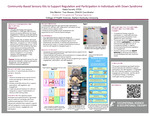
Community-Based Sensory Kits to Support Regulation and Participation in Individuals with Down Syndrome
Kaela Surrett
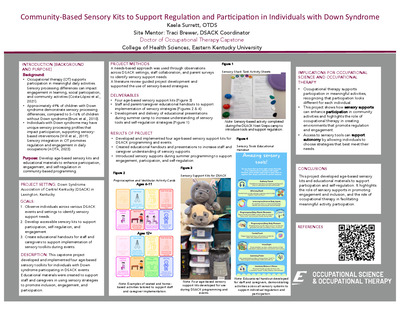
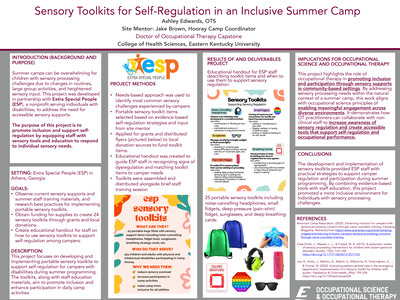
This capstone project was completed at the Down Syndrome Association of Central Kentucky (DSACK) in Lexington, KY. The primary ACOTE areas of focus were education and program development. The purpose of this project was to identify sensory support needs within DSACK programming, develop age-based sensory kits, and create educational materials for staff and caregivers to support participation and self-regulation during activities. A needs assessment was completed through direct observations, parent surveys, collaboration with staff, and a review of current literature. Findings showed challenges related to attention, sensory seeking, and sensory sensitivity during both structured and unstructured activities. These barriers impacted participation, engagement, and regulation, highlighting a need for accessible sensory supports within the organization. To address these needs, four age-based sensory support kits (ages 2–5, 6–11, 12–17, and 18+) were developed with tools selected to meet the sensory needs of each age group. Educational handouts were paired with each kit to support staff and caregivers in understanding and implementing sensory strategies. A parent education PowerPoint presentation was also provided during the Next Steps camp to increase understanding of sensory processing and practical sensory support strategies. Project outcomes were evaluated through observations of participant engagement, staff feedback, and participants' ability to identify and use sensory supports during camp activities. This project supported growth in leadership through program development, creation of sensory resources, and education provided to staff and caregivers. This capstone highlights the role of occupational therapy in promoting inclusion, participation, and self-regulation through low-cost and accessible sensory supports.
-
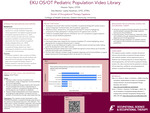
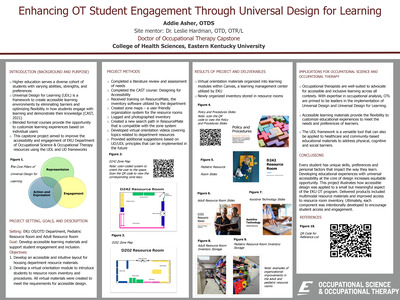
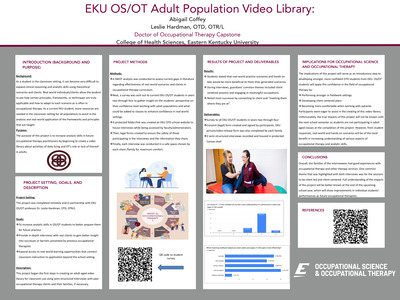
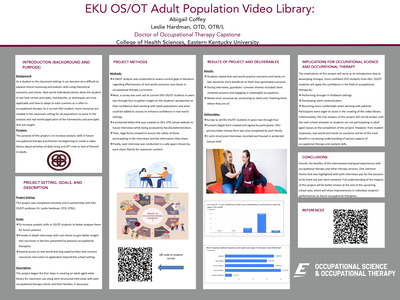
EKU OS/OT Pediatric Population Video Library
Heaven L. Taylor
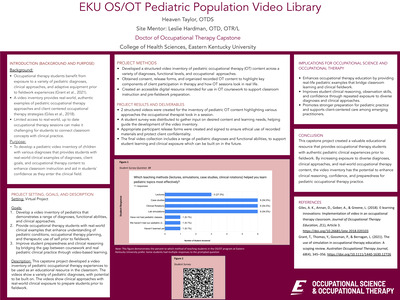
The purpose of this Doctor of Occupational Therapy capstone project was to develop the EKU Occupational Science and Occupational Therapy Pediatric Population Video Library, an educational resource designed to enhance occupational therapy education through in class video instruction. Completed virtually in collaboration with site mentor Dr. Leslie Hardman, OTD, OTR/L, the project addressed the limited opportunities students often have to observe authentic pediatric occupational therapy sessions before entering clinical practice.
Research supports the use of video-based learning as an effective educational strategy for improving students clinical reasoning, and understanding by providing exposure to real-world occupational therapy practice. In response to this need, a structured digital video inventory was developed to provide occupational therapy students with access to authentic pediatric occupational therapy content representing a variety of diagnoses, functional abilities, and clinical approaches.
Project activities included obtaining participant consent, developing participant release forms to ensure ethical use of recorded materials, organizing pediatric occupational therapy videos into an accessible digital resource, and distributing a student survey to identify the types of pediatric content students considered most valuable for learning. Survey findings informed the development of the video inventory and ensured the final resource aligned with student educational needs.
The completed project established the foundation of a sustainable pediatric video library through the creation of two educational videos. One video features a child diagnosed with Autism Spectrum Disorder and demonstrates occupational therapy approaches addressing emotional regulation, fine motor development, and auditory processing. The second video features a child diagnosed with Bohring-Opitz Syndrome and highlights occupational therapy approaches targeting fine motor skills and activities of daily living. Together, these videos provide students with authentic examples of pediatric occupational therapy practice that can be incorporated into classroom instruction and reviewed repeatedly before fieldwork.
This capstone project contributes to occupational therapy education by bridging the gap between didactic coursework and clinical application. The video inventory has the potential to strengthen students' observation skills, clinical reasoning, and confidence while increasing exposure to diverse pediatric populations and occupational therapy approaches. Additionally, the resource was intentionally designed to be sustainable and expandable, allowing future occupational therapy students to continue contributing new pediatric diagnoses and clinical content. As the video library grows, it has the potential to become a lasting educational resource that supports the preparation of future occupational therapy practitioners for pediatric clinical practice.
-
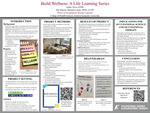
Build Wellness: A Life Learning Series
Sydny B. Terry
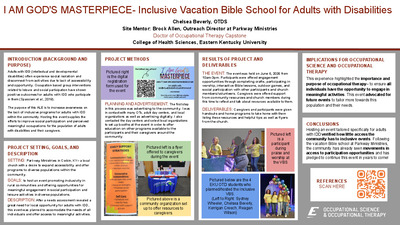
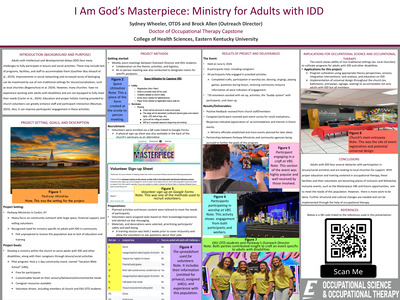
My capstone project was completed with Build Inclusion, a non-profit based in Lexington, to develop the Build Wellness series. This series focused on program development and community-based practice for teens and young adults with intellectual and developmental disabilities (IDD). The primary ACOTE focus areas addressed through this project included program development, advocacy, education, and leadership.
The goal of Build Wellness: A Life Learning Series was to educate, empower, and encourage teens and young adults with IDD to confidently navigate adulthood and participate more independently in their communities. Specific goals included increasing knowledge of life skills topics, promoting confidence and self-efficacy, supporting independent living skills, fostering social connections, and increasing awareness of community resources and supports.
A review of the literature identified a gap in services and structured supports available to individuals with IDD following high school graduation. While school-based services often provide opportunities for skill development and social participation, many individuals experience a significant reduction in available resources during the transition to adulthood. This service gap can negatively impact independence, community participation, employment, and quality of life.
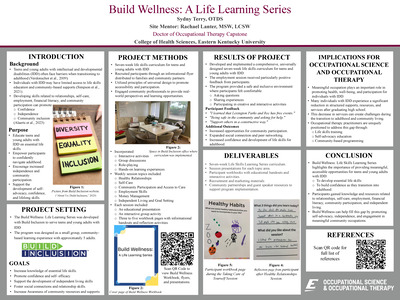
To address this need, a comprehensive, universally designed seven-week life skills curriculum was developed and implemented for teens and young adults with IDD. Weekly topics included healthy relationships, self-care and mental wellness, community participation, employment skills, money management, and independent living. Each session incorporated an educational presentation, interactive group activities, workbook materials, and opportunities for creative reflection. Community experts and local professionals were integrated into the program to provide participants with real-world learning experiences and connections to community resources.
Program effectiveness was evaluated through participant feedback, session reflections, and informal observation of engagement and participation. Participants reported enjoying the opportunity to learn from guest speakers and identified increased knowledge relating to community resources, safety, and self-advocacy. Project deliverables included educational presentations, participant workbooks, recruitment materials, and community partnerships to support future program implementation and sustainability.
Throughout the capstone experience, leadership skills were demonstrated through program development, community outreach, collaboration with professionals, and advocacy for individuals with disabilities. This project advanced occupational science and occupational therapy by addressing barriers to occupational participation and supporting engagement in meaningful occupations.
The Build Wellness Life Skills Learning Series demonstrated the important role occupational therapy can play in bridging the gap between school-based services and adulthood through community-based programming, life skills education, and promotion of self-advocacy, independence, and community inclusion for individuals with IDD.
-
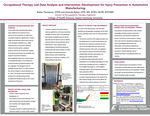
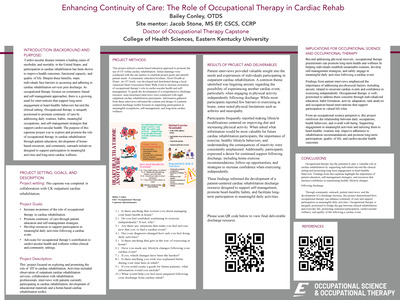
Occupational Therapy Led Data Analysis and Intervention Development for Injury Prevention in Automotive Manufacturing
Bailey N. Thompson
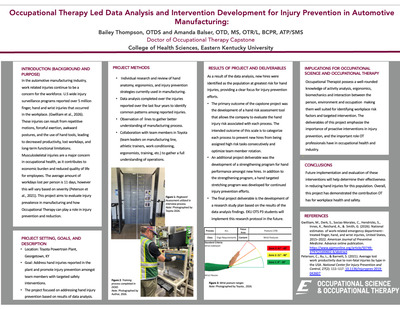
A capstone project and ALE at Toyota's Georgetown, Kentucky plant focused on hand injury prevention through program analysis. Work related injuries remain one of the biggest concerns for companies as it results in reduced quality of life for employees and economic burden. Data analysis revealed that new hires were disproportionately affected by hand injuries. This led to three key deliverables. First, a hand risk assessment tool was developed to evaluate injury risk per process, preventing new hires from being assigned to high-risk tasks consecutively while building skills. Second, a hand strengthening program was created to support new hires as they progress toward full independence. Third, a research plan was designed for implementation by EKU OTS P3 students. The project demonstrated leadership by identifying a workplace need and developing evidence-informed solutions through cross-team collaboration. It strengthened the author's skills in occupational health, ergonomics, and data analysis while reinforcing evidence-based decision-making. The work also advanced occupational therapy's role in industrial settings, showing how the profession can address workplace injury prevention beyond traditional clinical environments. A key conclusion emerged: ergonomic design alone is insufficient for injury prevention. This experience highlighted the value of comprehensive prevention programs, leading to the development of strengthening initiatives and risk assessments that address both environmental and individual factors contributing to hand injuries.
-
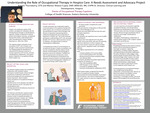
Understanding the Role of Occupational Therapy in Hospice Care: A Needs Assessment and Advocacy Project
Keeton Thornsberry
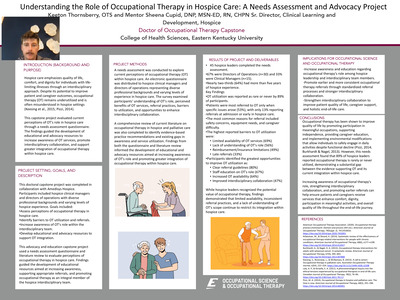
This advocacy and education capstone project used a needs assessment questionnaire and literature review to evaluate perceptions of occupational therapy in hospice care. Findings guided the development of educational resources aimed at increasing awareness, supporting appropriate referrals, and promoting occupational therapy as an integral member of the hospice interdisciplinary team.
-
Classroom Sensory Kits: Enhancing Student Engagement and Regulation
Rachel Topp
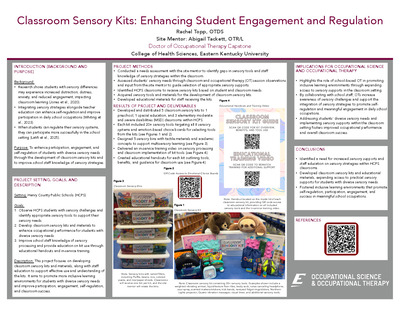
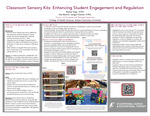
This capstone project was completed at Henry County Public Schools (HCPS) in Kentucky. The primary ACOTE focus areas were program development and education. The purpose of this project was to promote inclusive learning environments for students with diverse sensory needs by increasing access to sensory tools and strategies. A needs assessment conducted in collaboration with the school-based occupational therapist (OT) identified gaps in sensory tools to support students, as well as a need for increased school staff education on sensory processing and classroom sensory strategies. To address these needs, five classroom sensory kits were developed and distributed to one preschool classroom, one special education classroom, and three elementary moderate and severe disabilities classrooms. Classroom selection was based on student needs, observations, and project funding. Each kit contained over 20 sensory tools designed to support students across all sensory systems, with tool selection guided by student sensory needs and input from the school-based OT. In addition, educational resources were developed and distributed to staff, including an in-service training video on sensory processing and the use of sensory tools in the classroom. Handouts were also provided outlining each tool’s purpose and implementation guidance. This capstone project highlights the role of school-based OT in promoting inclusive learning environments through increasing awareness of sensory challenges for students with diverse sensory needs and expanding access to sensory tools. Classroom environments can be overwhelming, especially for students with diverse sensory needs; however, access to appropriate sensory tools can promote engagement, self-regulation, and success in school occupations.
-
Workplace Wellness: Ergonomics and Injury Prevention
Makenzie Vorbeck
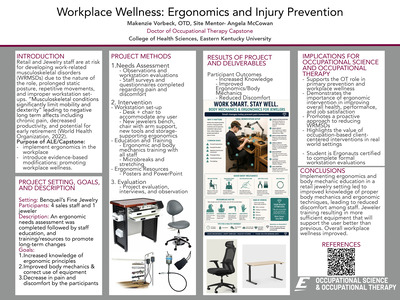
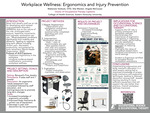
This Capstone project, Workplace Wellness: Ergonomics and Injury Prevention, was completed in a local retail jewelry store as part of an Applied Leadership Experience (ALE) with a primary focus of health promotion and wellness as outlined by ACOTE Standards. This project aimed to address the high risk of work-related musculoskeletal disorders (WRMSDs) among jewelers and sales staff due to prolonged static postures, repetitive hand movements, and improper workstation set-ups.
The primary goals of my project were to 1) improve participant knowledge of ergonomic principles and injury prevention strategies, 2) enhance knowledge of proper body mechanics and workstation set-up, and 3) reduce discomfort while promoting long term workplace wellness. A needs assessment was completed (personal interviews, questionnaires, and observations done by project leader) and identified that staff in precision based occupations are at increased risk for chronic pain and injury when ergonomics are lacking, this includes all staff (handling and displaying jewelry, repairing jewelry, cleaning jewelry, and typing).
To address all issues identified, a multifactored intervention was implemented. Project methods included ergonomic workstation set up observations using knowledge from OT based frames of reference and certifications completed by the project leader, staff education session, and individualized workstation modifications. Education focused on posture, body mechanics, microbreaks, and stretching. The effectiveness of the methods was evaluated through pre/post questionnaires, and observation of workstation set up changes and their effectiveness.
Many key deliverables were developed and executed throughout. These deliverables were designed for the site specifically to continue supporting sustainability of the methods put into place. These include an ergonomic/body mechanic visual poster displayed throughout the site, educational training on new materials and equipment for both sales staff and jeweler, ergonomic basics PowerPoint, and a workstation assessment checklist. All resources were designed to be effortlessly implemented and maintained by the staff after the conclusion of the capstone.
Throughout the capstone and ALE, leadership was demonstrated through intervention development, staff education and collaboration, and advocacy for workplace wellness initiatives. The project leader assumed a personal leadership role in completing this capstone project by identifying workplace needs, designing evidence-based interventions, and promoting prevention of WRMSDs.
This capstone can help to advance the occupational therapy practice by emphasizing the role of OT in primary prevention, workplace wellness, and ergonomic intervention in a non-traditional setting. It highlights how occupational therapy can proactively address risk factors before injuries occur, rather than focusing on rehabilitation after injury occurs.
This project successfully met the needs previously identified by the project leader and of the staff by improving ergonomics, promoting body mechanics, and setting staff up for long-term success. Employees also learned more about the role of OT, while improving their quality of life in the workplace. For the project leader, the experience to lead a group of individuals and enhance clinical reasoning met the wants and needs of the capstone project.
Overall the capstone project demonstrates the values of occupational therapy in promoting a healthy life, preventing injuries, and supporting long-term participation and productivity in the workplace.
Printing is not supported at the primary Gallery Thumbnail page. Please first navigate to a specific Image before printing.