-
From Bump to Baby: A New Parent Role Preparation Webinar
Emma K. Ward
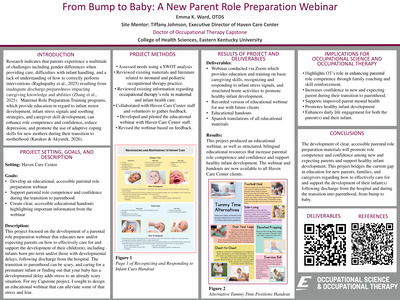
The purpose of this Capstone project is to alleviate some of the stress and fear associated with the transition to parenthood through the development of a parental role preparation webinar that educates new and expecting parents on how to effectively care for and support the development of their child. The primary area of focus for the project is Education, and the project site is the Haven Care Center in Danville, Kentucky. A SWOT analysis and discussions with Haven Care staff indicated a need for educational materials that focus on caregiver skill development, understanding and responding to infant cues, infant developmental milestones, and ways in which parents can promote healthy motor development in order to support parents during their transition to parenthood. This project produced an educational webinar, as well as bilingual educational resources that increase parental role confidence and promote healthy infant development. In regard to implications for Occupational Science and Occupational Therapy (OT) practice, this project highlights OT’s role in enhancing parental role competence through family coaching and skill reinforcement, increases confidence and supports improved mental health among new parents during their transition to parenthood, promotes healthy infant development, and enhances daily life engagement for both the parent(s) and their infant. This project bridges the current gap in education for new and expecting parents regarding how to effectively care for and support the development of their infant by providing easy-to-understand, accessible parental role preparation materials to assist them as they transition to parenthood, from bump to baby.
-
CNS Regulation and Neuroprotection in the NICU/PICU
Kelly D. Wheatley
Infants admitted to the Neonatal Intensive Care Unit (NICU) and Pediatric Intensive Care Unit (PICU) experience numerous stressors, including painful medical procedures, excessive sensory stimulation, disrupted sleep, limited positive sensory experiences, and separation from caregivers. These factors can negatively affect central nervous system (CNS) development, self- and co-regulation, neurobehavioral organization, feeding, and long-term occupational performance. Despite growing evidence supporting neuroprotective and developmentally supportive care, accessible educational resources are needed to promote consistent implementation among healthcare providers, volunteers, and families.
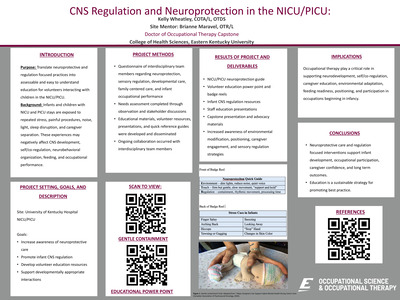
The purpose of this capstone project was to increase awareness and application of CNS regulation and neuroprotective care principles within the NICU/PICU. Through a comprehensive literature review, clinical observation, and interdisciplinary collaboration, educational needs were identified. Resources were developed to improve knowledge of infant neurodevelopment, sensory regulation, caregiver engagement, positioning, and environmental modifications, with an emphasis on hospital volunteer education.
Project deliverables included educational presentations, quick-reference guides, volunteer training materials, and neuroprotection handouts designed for use in neonatal and pediatric hospital settings. These resources emphasized evidence-based strategies to reduce toxic stress, promote physiologic stability, strengthen caregiver-infant bonding, and support positive developmental outcomes.
This project highlights the unique role of occupational therapy in promoting neurodevelopment through sensory regulation, developmental care, feeding readiness, positioning, environmental adaptations, and caregiver education. By expanding access to neuroprotective education and practical strategies, the project supports developmentally appropriate care, enhances volunteer confidence, and promotes sustainable, evidence-based practices that optimize outcomes for medically fragile infants and their families.
-
I Am God's Masterpiece: Ministry for Adults with IDD
Sydney Wheeler
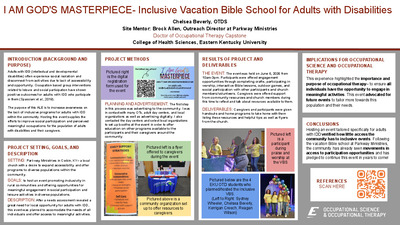
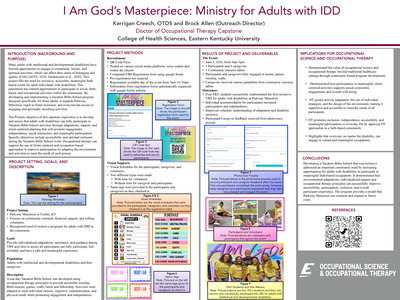
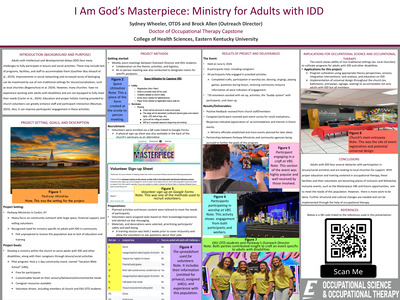
Adults with IDD, or Intellectual and Developmental Delays, face challenges to participate in leisure and social activities within their communities, often due to a lack of programs, facilities, and staff to accommodate them. Non-traditional settings, such as local churches, are rising to meet the need but feel unexperienced and unprepared to serve these individuals. This project was based at a local church in Southeast KY, which recognized its inability to connect with this population in its current state. The project goal was to develop a ministry targeted to adults with IDD, and other disabilities, along with their caregivers through faith-based leisure and social interactions. To launch this program, the church hosted a 1-day free community event, coined “I Am God’s Masterpiece”. It included games, crafts, worship, a Bible lesson, and free lunch to participants and their caregivers. It was fully volunteer-driven and had sensory, behavioral, environmental, and social modifications available. In addition, caregiver resources were distributed from community agencies. Results from a post-event survey and observation during the occasion showed participant and caregiver satisfaction, along with excitement for upcoming events. While there is still more awareness and advocacy needed, many local churches are rising to the occasion. With the use of occupational therapy practices as a foundation to this type of ministry, adults with IDD can begin to experience more inclusivity in their communities
-
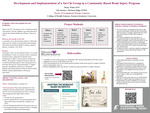
Development and Implementation of a Tai Chi Group in a Community-Based Brain Injury Program
Haley D. White
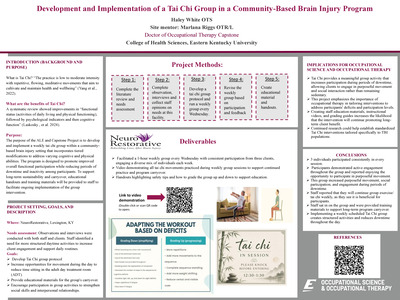
My capstone was completed at NeuroRestorative, a Neuro community-based setting that provides Occupational Therapy, Physical Therapy, and speech-language pathology. The purpose of the ALE and Capstone Project is to develop and implement a weekly tai chi group within a community-based brain injury setting that incorporates tiered modifications to address varying cognitive and physical abilities. The program is designed to promote improved overall functional participation while reducing periods of downtime and inactivity among participants. To support long-term sustainability and carryover, educational handouts and training materials will be provided to staff to facilitate ongoing implementation of the group intervention.
The goals of this capstone include creating a Tai Chi program, increasing opportunities for movement throughout the day to reduce time spent sitting in the ADT room, providing educational materials to support carryover of the group activities, and encouraging participation in group activities to strengthen social skills and interpersonal relationships.
Observations and needs assessment findings indicated that, outside of therapy sessions, individuals in the adult day training (ADT) room frequently experienced periods of inactivity and limited participation in meaningful activities. After completing my literature review, I found that Tai Chi “showed improvements in functional status (activities of daily living and physical functioning), followed by psychological indicators and then cognitive function” (Laskosky., et al. 2024).
I evaluated the effectiveness of this program with observational measures, social interaction, and feedback from participants and staff. To support program implementation, I created a training video demonstrating the group movement sequences for Life Skills Trainers (LSTs) and staff. In addition, I developed handouts that provide guidance on how to modify the group up and down to meet the individual needs and deficits of each client.
I demonstrated leadership by collaborating with the multidisciplinary team and running a group intervention each week. My capstone provides a meaningful group activity that increases participation during periods of downtime, allowing clients to engage in purposeful movement and social interaction rather than remaining sedentary.
When completing my needs assessment, I found that there are frequent extended periods of downtime for clients at Neuro outside of therapy time. My educational video and handouts can educate LST staff on how to implement this group and reduce downtime throughout the day.
-
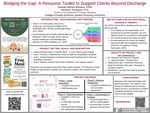
Bridging the Gap: A Resource Toolkit to Support Clients Beyond Discharge
Kaleigh G. Williams
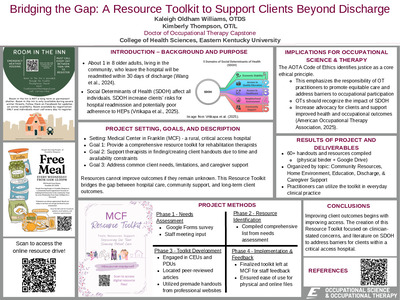
This Occupational Therapy Doctoral Capstone was completed at The Medical Center–Franklin, a rural critical access hospital offering outpatient, acute, and post-acute rehabilitation services. The project aligned with the Accreditation Council for Occupational Therapy Education (ACOTE) focus areas of Leadership, Education, and Advocacy through the development of a Resource Toolkit to support caregivers, clients, and rehabilitation specialists during hospitalization and discharge planning.Through discussions with stakeholders regarding social determinants of health and occupational justice, a need for improved access to community resources was identified. In response, a comprehensive toolkit was developed containing more than 60 resources focused on client education, caregiver support, community services, discharge planning, and home safety. The toolkit was compiled into both a physical binder and a shared Google Drive to provide rehabilitation professionals with a centralized, sustainable resource.
This project demonstrated leadership through interdisciplinary collaboration, incorporation of stakeholder feedback, and independent resource development. It also fostered professional growth by expanding understanding of occupational justice, social determinants of health, and the essential role of advocacy in occupational therapy practice. The capstone addressed needs identified through the literature review and needs assessment by increasing access to educational and community resources that support occupational participation and reduce barriers following discharge. Ultimately, the Resource Toolkit provides rehabilitation professionals with an accessible means of connecting clients to services that promote health equity, community reintegration, and occupational engagement, bridging the gap between hospitalization and long-term health outcomes.
-
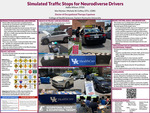
Simulated Traffic Stops for Neurodiverse Drivers
Addie Wilson
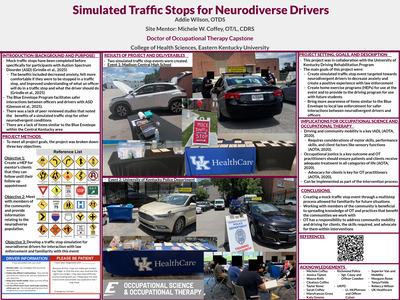
The goal of this capstone project was to create a simulated traffic stop event for neurodiverse drivers to decrease anxieties and promote positive interactions with local law enforcement. This project was completed under the ACOTE standards of project development and clinical skills, and in collaboration with the University of Kentucky Driving Rehabilitation Program and a Certified Driving Rehabilitation Specialist. Previous simulated traffic stops have been completed specifically for the ASD population and showed improvements in anxiety and understanding of traffic stops. Additionally, resources like the Blue Envelope Program have been implemented across the country to allow for interactions between autistic drivers and law enforcement during a traffic stop. There were a lack of studies that discussed the benefits of a simulated traffic stop for the greater neurodiverse community and resources similar to the Blue Envelope Program within the central Kentucky area. The goals of this project were to develop a simulated traffic stop experience for the neurodiverse population, create home exercise programs (HEPs) for use at the event and to provide for future driving students, and bring more awareness to items that allow for increased communication between drivers and law enforcement.
To complete this project, three objectives were used as a guide that related to creating HEPs, meeting with community members, and planning and developing the event. This event was completed twice within the central Kentucky area and targeted the larger neurodiverse community by creating safe interactions with law enforcement to prepare attendees for future situations. This addressed the gap between this population and needs of the area. This event was important to OS/OT as OT practitioners must address community mobility/driving and advocacy for clients for occupational justice within the intervention process. This project strengthened my skills relating to leadership, project development, time management, and collaboration with members of the community.
-
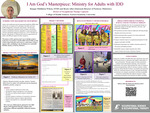
I Am God's Masterpiece: Ministry for Adults with IDD
Raegan M. Wilson
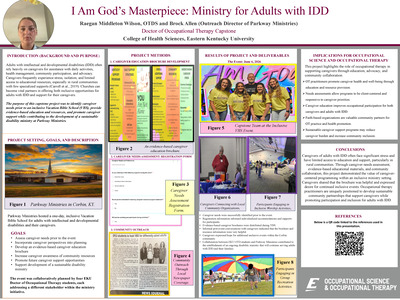
This capstone project was completed in collaboration with Parkway Ministries in Corbin, Kentucky. My Applied Leadership Experience (ALE) took place in a community-based faith setting and focused on the ACOTE areas of Program Development, Education, and Advocacy. As part of a collaborative project to develop an inclusive Vacation Bible School (VBS) for adults with intellectual and developmental disabilities (IDD), my individual focus was supporting caregivers through education, resource development, and community engagement. A needs assessment and literature review identified caregiver burden, social isolation, limited educational resources, and reduced access to support services as common challenges for caregivers of adults with IDD, particularly in rural communities. To better understand caregiver needs, I incorporated caregiver-specific questions into the event registration form to gather information regarding concerns, accommodations, and desired resources. This information guided event planning and the development of caregiver resources. My primary deliverable was an evidence-based caregiver education brochure, You Are Not Alone, which included caregiver wellness strategies, communication tips, Kentucky waiver information, community resources, crisis contacts, and self-care recommendations. Additional responsibilities included promoting the event through church outreach and a local newspaper advertisement, collaborating with fellow occupational therapy doctoral students and Parkway Ministries, and distributing caregiver resources during the event. Informal post-event conversations with caregivers indicated that the brochure provided valuable information and that participants appreciated the inclusive environment. Caregivers also expressed interest in future events and continued caregiver support.
-
Where Healing Meets the Horse: Designing an Educational Website for Enabling Equines
Amanda Young
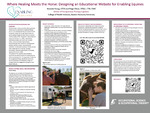
This Capstone and Applied Leadership Experience (ALE) was completed with Enabling Equines, a nonprofit organization providing hippotherapy and therapeutic riding services in rural Eastern Kentucky. The primary ACOTE focus area was Education, with additional emphasis on Advocacy and Clinical Practice. The purpose of this project was to develop a sustainable educational website to increase community awareness, advocate for the role of occupational therapy in equine-assisted interventions and improve access to information about hippotherapy and therapeutic riding. A needs assessment conducted with the site mentor and organizational members identified the lack of an online presence as a significant barrier to community awareness, referrals, volunteer recruitment, partnerships, and funding opportunities. Research demonstrates that hippotherapy and equine-assisted therapeutic riding can improve mobility, balance, coordination, core strength, activities of daily living, social participation, and quality of life. The project involved collaborating with organizational leadership, volunteering within the program, designing and publishing an educational website, and presenting the completed resource to stakeholders for implementation. Effectiveness was evaluated through ongoing collaboration, stakeholder feedback, and successful completion of the website. This capstone demonstrates leadership through program development, interdisciplinary collaboration, and community advocacy while advancing occupational therapy by promoting equitable access to specialized services in underserved rural communities. The completed website serves as a sustainable resource to educate families, healthcare providers, and community members, increase volunteer and donor engagement, and support the continued growth of Enabling Equines while reducing barriers to participation in equine-assisted services for children and families throughout Eastern Kentucky.
-
Providing Leisure Opportunities to Support Mental Health & Quality of Life for Oncology Patients in Acute Care:
Allison Adkins
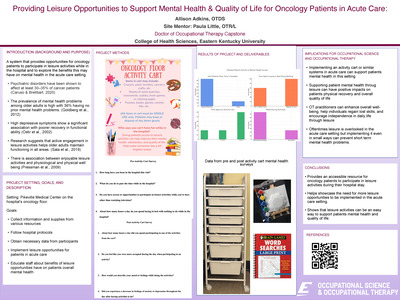
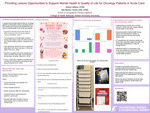
The purpose of this project was to make leisure activities accessible to patients in acute care and to explore the benefits it may have on patients' mental health and quality of life. One study found there to be a high prevalence of mental health problems among older adults with 36% having no prior mental health problems (Goldberg et al., 2012). Additionally, psychiatric disorders have been shown to affect at least 30–35% of cancer patients during all phases of the disease trajectory (Caruso & Breitbart, 2020). Research also suggests that active engagement in leisure activities helps older adults maintain functioning in all areas (Sala et al., 2019). A systematic method was used in this study. I created a pre/post survey with questions regarding patients mental state and subjective and objective data on their hospital experience. I filled the cart with a variety of leisure activities. I displayed leadership skills, communication skills, and overcame many challenges. I had to communicate with various health care professionals throughout this process. This study taught me to be persistent, have patience, and to be more adaptable. This project showcases the need for leisure opportunities in the acute care setting where patients' mental health is typically very negative. The essence of occupational therapy was advanced in acute care, showing that every occupation or lack thereof affects an individual in some way.
-
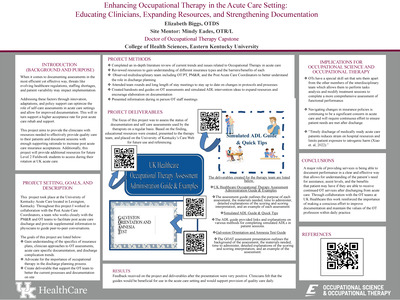
Enhancing Occupational Therapy in the Acute Care Setting: Educating Clinicians, Expanding Resources, and Strengthening Documentation
Elizabeth Biggs
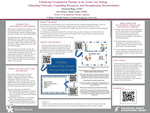
My doctoral capstone project was completed in the acute care setting at University of Kentucky HealthCare. The goal was to elevate occupational therapy’s role by addressing documentation practices, assessment use, and discharge planning. I focused on equipping clinicians with tools and education to improve service quality, efficiency, and OT visibility in discharge processes.
Through clinician interviews, workflow observations, and review of discharge trends, I identified challenges in documentation standardization, assessment clarity, and OT involvement in discharge planning. Literature supported these findings, highlighting how such issues reduce OT’s impact on patient outcomes.
In response, I developed three key deliverables using clinician input, workflow data, and evidence-based practices:
- OT Assessment Administration Guide: Details purpose, materials, time, scoring, interpretation, and examples for common assessments.
- Simulated ADL Guide & Quick Tips: Offers links and strategies for functional patient tasks in therapy sessions.
- Galveston Orientation and Amnesia Test (GOAT) Guide: Provides step-by-step administration, scoring, and interpretation of the GOAT.
These resources were shared in staff meetings with demonstrations and opportunities for feedback. Evaluation showed improved clarity in documentation and assessment use.
This project enhanced OT service delivery by supporting consistent documentation, expanding clinical tools, and reinforcing OT’s role in discharge planning. It fostered my leadership in evidence-based practice and process improvement, and the deliverables offer sustainable support for acute care teams and potential for broader application across healthcare settings.
-
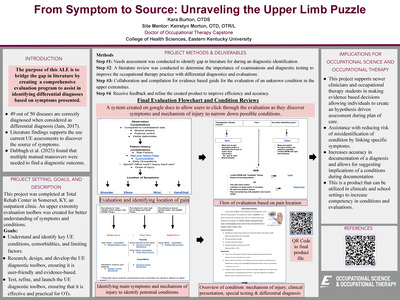
From Symptom to Source: Unraveling the Upper Limb Puzzle
Kara Burton
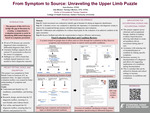
The purpose of this ALE project was to bridge the gap in literature by creating a comprehensive evaluation program to assist in identifying differential diagnoses based on symptoms presented. Following ACOTE’s focus areas of program development and clinical practice, this project aimed to improve diagnostic accuracy and clinical reasoning through the creation of an evidence based evaluation program. It guides therapists through a systematic evaluation process, especially when symptoms are complex or diagnoses are unclear. Providing clinicians with a structured chart focusing on symptom overview, mechanism of injury, clinical presentation, special testing, and potential differential diagnoses. On site therapists and I used the program in both evaluations and reassessments. It was effective with patients presenting with unknown conditions or multiple symptoms, as well as for confirming known diagnoses. The program provides increased confidence and clinical judgement among students and new clinicians by supporting evidence based decisions. Through strong collaboration, feedback, testing, and communication, this tool was refined for clinical use.
-
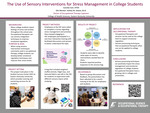
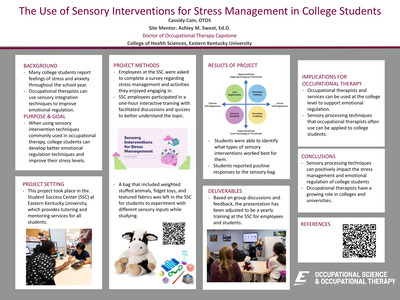
The Use of Sensory Interventions for Stress Management in College Students
Cassidy Cain
For my doctoral capstone, I partnered with the Student Success Center (SSC) at Eastern Kentucky University and the director of the SSC, Dr. Ashley Sweat, to explore the connections between commonly used occupational therapy sensory intervention techniques and stress management for college students. The focus of my project is education and program development for the Student Success Center. In my literature review, I identified stress as one of the largest contributors to students not returning to college. The Student Success Center provides services for students who are already at a high risk of not continuing their college education. Based on my literature review on sensory techniques and conversations with leaders at the SSC, my capstone was able to meet the needs to provide stronger support for emotional regulation and stress management in high-risk student populations My goal was to create a program for the SSC employees regarding emotional regulation techniques, specifically related to stress management. This program focuses on identifying the student’s own form of sensory processing and building calming techniques based on their form of sensory processing. This program can be used by employees at the SSC to help their emotional regulation, while also providing the employees with the understanding to share this with their mentees. My capstone created a new way for the Student Success Center to support students who are at high risk for depression and anxiety, while also supporting the employees at the Student Success Center, as they have been able to use this program in their own daily lives.
-
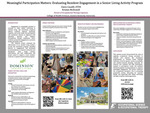
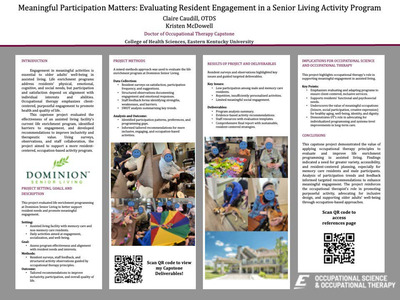
Meaningful Participation Matters: Evaluating Resident Engagement in a Senior Living Activity Program
Mary C. Caudill
This capstone project evaluated and improved the life enrichment program at Dominion Senior Living, an assisted living facility serving older adults, including those in memory care. Centered on the ACOTE focus area of program development, the project aimed to promote meaningful, accessible engagement through an occupational therapy lens.
Goals included assessing current activity effectiveness, identifying participation barriers, and developing evidence-based recommendations to improve variety, inclusivity, and therapeutic value. A needs assessment—using resident surveys, staff feedback, and structured observations—revealed low engagement among memory care and male residents, limited activity variety, and insufficient opportunities for meaningful social interaction. A literature review supported these findings, underscoring the importance of occupation-based engagement for cognitive function, emotional well-being, and overall quality of life in older adults.
A mixed-methods approach analyzed quantitative survey data and qualitative observations to identify trends. Deliverables included a resident feedback form, activity observation checklist, SWOT analysis summary, tailored activity recommendations, and an executive summary report.
Through this project, I demonstrated leadership by initiating staff discussions, advocating for activity adaptations, and applying evidence-based strategies. I strengthened my communication, program evaluation, and clinical reasoning skills while engaging in interdisciplinary collaboration.
This work reinforces occupational therapy’s role in program development, client-centered care, and quality improvement in assisted living. It also supports occupational science by highlighting the value of meaningful occupation in promoting identity, purpose, and health. Ultimately, the project provided actionable tools to enhance resident engagement and satisfaction while demonstrating OT’s capacity to improve quality of life in aging populations.
-
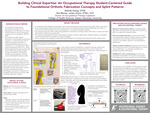
Building Clinical Expertise: An Occupational Therapy Student-Centered Guide to Foundational Orthotic Fabrication Concepts and Splint Patterns
Belinda Cheng
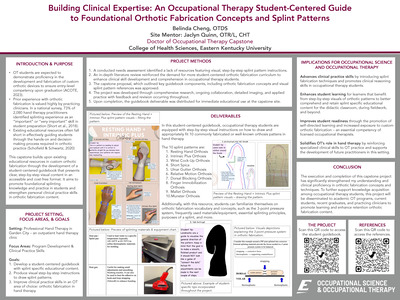
The purpose of this doctoral capstone was to support student learning in hand therapy by developing a student-centered educational guidebook that introduces fundamental orthotic fabrication concepts and provides visual splint pattern tutorials in an accessible and comprehensive format. Splint pattern development is a foundational step in orthotic fabrication that helps students comprehend how 2D designs translate into 3D orthoses. To enhance clinical skills through direct practice opportunities, this resource features detailed splint pattern modules for 10 commonly fabricated orthoses, each accompanied by background information and model images, while the orthotic educational content promotes self-directed learning by guiding students to understand why certain decisions are made in splint design. Unlike many existing resources that emphasize thermoplastic molding, this project prioritized visual splint pattern instructions to address a notable gap in the literature. The student guidebook aims to make the introduction to orthotic fabrication both approachable and clinically relevant through clear illustrations and explanations. This capstone was completed in collaboration with occupational therapists and certified hand therapist, Jaclyn Quinn, at Professional Hand Therapy in Garden City, New York. This capstone aligned with ACOTE focus areas of program development and clinical practice, contributing to the advancement of clinical practice skills for both myself and future occupational therapists.
-
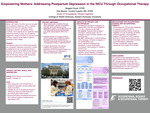
Empowering Mothers: Addressing Postpartum Depression in the NICU Through Occupational Therapy
Maggie Cloyd
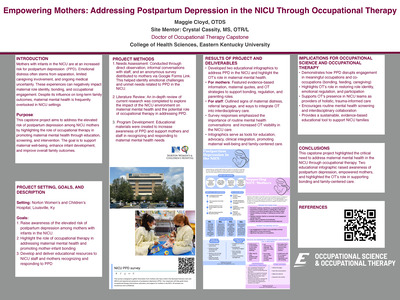
This doctoral capstone project and Applied Leadership Experience (ALE) addressed the elevated risk of postpartum depression (PPD) among mothers with infants in the Neonatal Intensive Care Unit (NICU). Completed at Norton Women’’s and Children’s Hospital in Louisville, KY, the project focused on leadership and advocacy, aiming to raise awareness of maternal mental health, highlight occupational therapy’s role, and create educational infographics for both NICU mothers and staff.A needs assessment was conducted through informal staff discussions, observation, and an anonymous survey distributed to NICU mothers. Mothers reported emotional distress, guilt, isolation, and limited involvement in infant care. Research supports that NICU mothers experience PPD at significantly higher rates, up to 40% –yet routine screening is not consistently implemented. Literature also emphasizes the connection between maternal mental health and infant development, highlighting occupational therapy’s potential role in promoting caregiver engagement, emotional regulation, and restoration of the maternal role. To address these needs, an educational infographic was developed specifically for NICU mothers. It includes key statistics, quotes from survey participants, and information on how OT can support maternal well-being and mother-infant bonding. A secondary infographic was created for NICU staff to promote awareness and encourage OT consultation. The infographics were evaluated for alignment with survey findings and best practices and distributed as an educational resource. This project strengthened my leadership, advocacy, and clinical reasoning skills. It highlights the need to expand OT services in NICU settings to support maternal mental health through trauma-informed, family-centered care during this critical period.
-
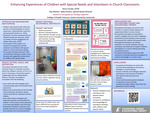
Enhancing Experiences of Children with Special Needs and Volunteers in Church Classrooms
Anna Corado
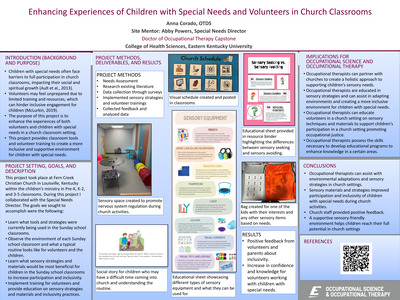
The purpose of this ALE project was to support volunteers working with children with special needs and enhance the experience of children with special needs in church classrooms at Fern Creek Christian Church in Louisville, Kentucky. Volunteers were provided with education and training regarding sensory equipment and strategies to utilize within the classrooms. Changes to the environment were made including creation of a sensory room and adaptations to the classrooms to better support children’s sensory needs. The confidence of volunteers working with children with special needs was measured through a post-survey following the implementation of education and training. This capstone project emphasizes the role that occupational therapy can play in Sunday school classrooms for children to create a more inclusive and holistic environment. It also highlights the distinctive knowledge occupational therapists bring in understanding and applying sensory strategies and tools, and how they empower individuals through education to limit barriers in a Sunday school classroom addressing the needs identified in the literature review.
-
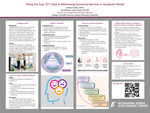
Filling the Gap: OT’s Role in Addressing Emotional Barriers in Vestibular Rehab
Gabby P. Cordas
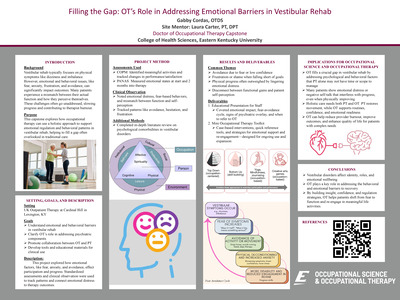
This capstone project explored the emotional and behavioral barriers that impact vestibular rehabilitation, and how occupational therapy can help fill that gap. It took place at UK Outpatient Therapy at Cardinal Hill, where physical therapy leads vestibular care. However, many patients struggle with anxiety, avoidance, and frustration that interfere with progress. My goal was to observe those patterns, clarify OT’s role, and create practical tools to support more holistic care.
Research shows that psychiatric comorbidities are common in vestibular disorders—especially episodic conditions like vestibular migraine and Ménière’s disease. Emotional responses such as fear, self-doubt, and withdrawal can worsen symptoms and delay recovery. My observations echoed this: even when patients showed physical gains, emotional distress and low confidence often remained. OT has the tools to address this gap—helping patients regulate, re-engage, and feel more in control.
To capture this, I used the COPM and PANAS to track changes in performance, satisfaction, and affect. I also noted in-session behaviors like avoidance, safety-seeking, and frustration. Based on these findings, I developed two deliverables:
-
A staff education session on psychiatric overlays in vestibular care, and
-
A mini OT toolkit with case-based interventions, coping strategies, and communication ideas.
This project helped me grow as a leader by bringing a fresh lens to a specialized setting and advocating for OT’s role in emotional wellness and interdisciplinary care. It also demonstrated how OT can reduce barriers to progress and improve outcomes by addressing not just symptoms, but the whole person.
-
-

Regulation & Resilience: A Toolkit to Promote Pediatric Mental Health Within an Outpatient Setting
Aysia Crumbie
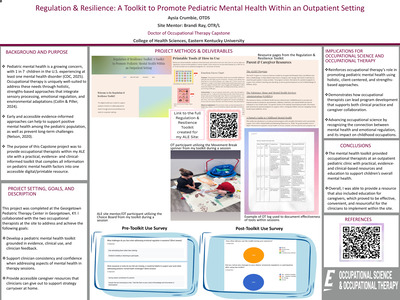
The purpose of this doctoral ALE/Capstone project was to develop a pediatric mental health toolkit for clinicians to utilize at my site, the Georgetown Pediatric Therapy Center in Georgetown, Kentucky. The primary ACOTE areas of focus were education, advocacy, and program development. I collaborated with the two occupational therapists at the site to achieve the goals of 1) developing a pediatric mental health toolkit grounded in evidence, clinical use, and clinician feedback, 2) supporting clinician consistency and confidence when addressing mental health in sessions, and 3) providing accessible caregiver resources to support strategy carryover at home. A needs assessment was first conducted via informal interviews, as well as through pre- and post- toolkit use surveys. I reviewed current literature on pediatric mental health and associated factors, and incorporated therapist insight to select, create and organize the toolkit components. The clinicians utilized the toolkit within sessions over the course of 6 weeks with pediatric clients of various ages and mental health needs to determine the usability and effectiveness. The deliverable of my project was a digital/printable toolkit that provides a variety of resources including screening tools, sensory and emotional regulation activities, co-regulation and calming strategies, engaging regulation visuals, reflection tools, and printable caregiver handouts. Feedback from clinicians indicated that the toolkit improved their ability to address mental health more intentionally and efficiently. Overall, this project highlighted occupational therapy’s unique role in addressing pediatric mental health, and provided a resource that was effective, convenient, and resourceful for the clinicians to implement within their clinic.
-
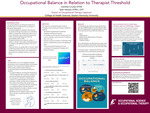
Occupational Balance in Relation to Therapist Threshold
Caroline Crump
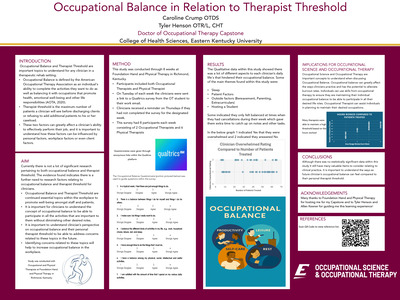
My Capstone/Applied Learning Experience took place at Foundation Hand and Physical Therapy in Richmond, Kentucky. The primary ACOTE focus areas that were used within my study was Education, Research and Clinical Practice. The goal of this research was to investigate any correlations between occupational balance and therapist threshold in the outpatient rehabilitation setting. It was important to be able to investigate both Occupational Therapists and Physical Therapists to determine factors that related to a clinician’s personal occupational balance and therapist threshold. These factors were able to be addressed by this study through further researching the ways clinicians view occupational balance and therapist threshold within their personal lives and careers. One specific item that this facility was looking to address was each clinician's opinion on their occupational balance and see if this related to work-place factors, client factors or personal factors. This research addressed this topic through weekly surveys through collecting qualitative and quantitative data within Qualtrics. The main attributes that clinicians stated affected their occupational balance or therapist threshold were patient factors, sleep, outside factors and hosting a student. Another aspect that was not initially anticipated was that many clinicians considered patient factors to limit their balance and threshold, specifically stating that many patients did not recognize that therapy was not forever. There was not any statistically significant data within this study, but it was still beneficial to learn more about the perspectives on this topic through the open-ended questions within the surveys.
-
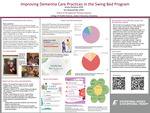
Improving Dementia Care Practices in the Swing Bed Program
Grace Donahue
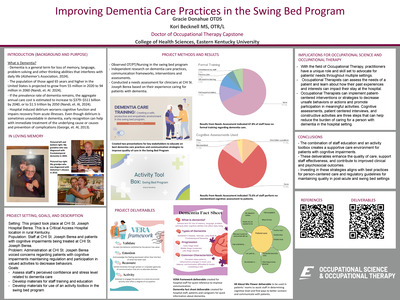
For my capstone/ALE, I partnered with the therapy team at CHI St. Joseph Berea’s Swing Bed Program to improve communication and care strategies for patients with dementia or cognitive impairments. My project focused on ACOTE areas of program development, education, and advocacy in an acute care setting. The goal was to implement dementia-friendly communication practices and promote meaningful engagement through activity toolboxes.The Swing Bed Program supports patients recovering from acute hospital stays who are not yet ready to return home. During my time there, I observed a lack of structured, personalized activities for patients, despite regulatory expectations for enrichment. My literature review highlighted best practices for dementia care and informed the development of a staff-wide needs assessment. Results showed gaps in cognitive assessment use, low staff confidence, and a desire for training in dementia care.Based on findings, I created a training module including simulated scenarios and clinical reasoning tools to guide learning. Clinicians reported feeling more confident in communicating with patients with dementia after participating. Additional deliverables included a cost-effective activity toolbox proposal, “All About Me” patient visuals, and a presentation for stakeholders advocating long-term implementation.This experience enhanced my leadership and advocacy skills as I collaborated across departments, led education initiatives, and promoted the role of OT in dementia care. My project identified gaps in care, empowered clinicians with practical tools, and emphasized the value of patient-centered practices in acute care. Ultimately, it deepened my understanding of OT’s role in advocating for vulnerable populations across the continuum of care.
-
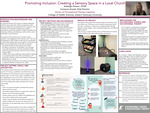
Promoting Inclusion: Creating a Sensory Space in a Local Church
Ashleigh N. Dotson
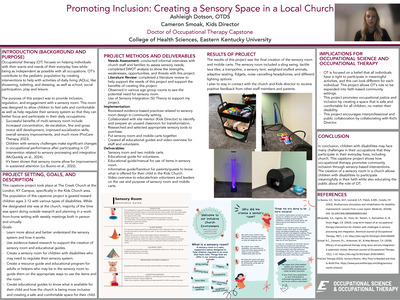
This capstone project took place at a local church, The Creek, in London, KY. Specifically, this project took place within the Kid’s church area. The ACOTE focus areas for this project were program development, education, and advocacy. The goals of this Capstone/ALE project were to learn more about and better understand the sensory system and how it works; to create a sensory room for children with disabilities who may need to regulate their sensory system; to create resources and educational guides for adults and volunteers who may be in the sensory room to guide them on the appropriate ways to use the items and the room. The use of sensory rooms can be beneficial to children with disabilities and help them regulate their sensory system. They then can focus on their designated task more efficiently. This project provided an inclusive environment of a sensory room to allow all children to be able to participate in the church. This capstone project advanced occupational therapy by promoting inclusion and sensory regulation for children with disabilities in a community setting. This project helped demonstrate the understanding of how a sensory system and other sensory supports can improve occupational performance and social participation in everyday lives by providing a safe, inclusive environment for all children.
-
OT for Independence: A Shelter-Based Approach
Joshua A. Dotson
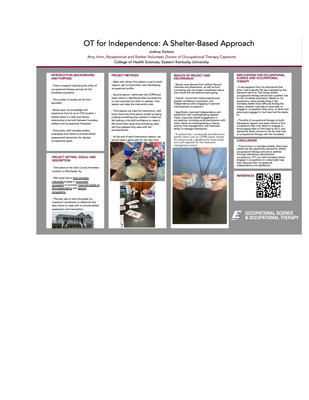
This Capstone project was conducted at the Clark County Homeless Coalition in Winchester, Kentucky, focusing on supporting individuals experiencing homelessness through occupational therapy (OT). The main objective was to understand shelter staff roles and clients’ occupational needs while helping clients engage in meaningful activities to improve their quality of life and independence. Research showed a strong need for OT services among homeless and mentally ill populations, with client-centered, choice-based interventions proving most effective. Tools like the Canadian Occupational Performance Measure (COPM) informed the approach, though outcome measurement was limited by inconsistent client participation. Nonetheless, the COPM guided meaningful goal-setting. Informal interviews and skilled observation revealed improvements in client engagement, including confident cooking, social interaction, time management, and medication management. These outcomes demonstrated increased occupational performance and client satisfaction. Leadership was a key component of the experience, involving advocacy for OT’s role in shelter systems and education of staff and clients on the discipline’s value. The project allowed the application of academic OT knowledge in a non-traditional setting, with support from my Capstone coordinator. It reinforced that all individuals are occupational beings and that structured, meaningful activity plays a critical role in recovery and stability. This experience expanded the understanding of OT’s relevance to marginalized populations and emphasized the importance of tailored, evidence-based interventions in promoting client growth and long-term housing readiness.
-
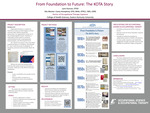
From Foundation to Future: The KOTA Story
Lynn Duncan M.Ed, OTD
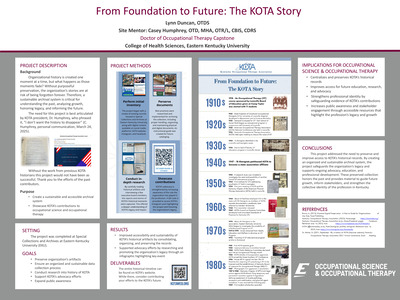
I worked with the Kentucky Occupational Therapy Association (KOTA) in partnership with Eastern Kentucky University’s Special Collections and Archives for my Capstone Project and Applied Leadership Experience, with an emphasis on advocacy. KOTA plays an essential role in advocating for its members by focusing on community networking, research, advocacy, legislative affairs, and education (Kentucky Occupational Therapy Association, 2025). Research indicates the importance for professional associations to safeguard records, however several challenges include managing the volume of materials, selecting a cataloging system, ensuring easy retrieval, maintaining secure storage, and addressing concerns about sustainability (Brown, 2013). The needs assessment revealed disorganized physical records, limited digital records, and no plan for sustainability. The goals of this project were to implement an organized and sustainable archival system and to develop a clear deliverable, such as a handout, which would showcase KOTA’s legacy. Through this project, I demonstrated and strengthened my project management skills, as well as my abilities in organization, historical analysis, and advocacy. Ongoing feedback with my site mentor and weekly objectives were used to evaluate the project’s effectiveness. In the end, deliverables included a timeline infographic and a plan for future archivists. This project successfully addressed the need by preserving the archives, improving accessibility, and highlighting KOTA’s story from its foundation to its future.
References
Brown, A. (2013). Practical Digital Preservation: A How-to Guide for Organizations of Any Size. Facet Publishing.
Fred Sammons Archives. (2014). Help. https://fredsammons.org/help
Kentucky Occupational Therapy Association. (2025). Home page. KOTA. https://kotaweb.org/
-
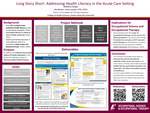
Long Story Short: Addressing Health Literacy in the Acute Care Setting
Madeline K. Ebright
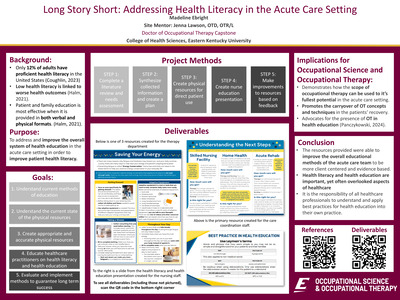
This capstone project targeted patient and family education in the acute care setting. The primary goals were focused on understanding what education was already being provided and what improvements can be made to educational methods. The primary problem that was addressed through a literature review and needs assessment was a lack of physical resources available. Five core resources were then created across three different departments in order to improve the overall system of health education in the acute care setting and consequently improve patient health literacy. To evaluate the efficacy of the resources they were provided to patients and practitioners who were then interviewed on how this will benefit them moving forward. This project provides patients at Bethesda Butler hospital with a more comprehensive and evidence based approach across multiple disciplines to improve patient health outcomes and contribute to the overall patient and family experience. By creating resources for multiple departments at the facility, this project was able to contribute to improved methods of patient and family education without the staff of Bethesda Butler having to strain themselves in order to create and implement appropriate resources. This project also addressed and met the needs discussed by the needs assessment and literature review by creating supplemental materials to support the verbal education already being provided to patients and their families.
-
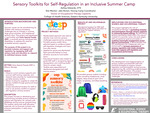
Sensory Toolkits for Self-Regulation in an Inclusive Summer Camp
Ashley A. Edwards
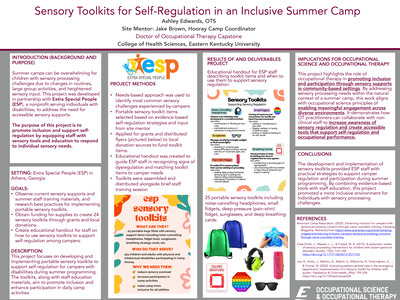
This capstone project focused on increasing sensory regulation support for participants at Camp Hooray hosted at Extra Special People (ESP), a nonprofit organization serving individuals with disabilities of all ages. To address sensory processing challenges in an inclusive summer camp setting, I developed and distributed portable sensory toolkits and provided staff education on their use. Each toolkit was a drawstring bag containing noise-canceling headphones, fidgets, sunglasses, visual prompts for deep breathing, and other items designed to offer calming or alerting input in moments of dysregulation. I collaborated with staff to identify needs, secured donations, sourced materials, and created an educational handout detailing when and how to use each tool effectively. The handout was presented in an in-service training alongside the completed toolkits. This project reinforced the value of occupational therapy in community-based settings by emphasizing proactive sensory regulation, increasing participation, and providing caregiver education. It also highlighted how accessible, low-cost strategies can meaningfully impact inclusion and quality of life for neurodivergent individuals in community environments.
Printing is not supported at the primary Gallery Thumbnail page. Please first navigate to a specific Image before printing.